
01
What it is
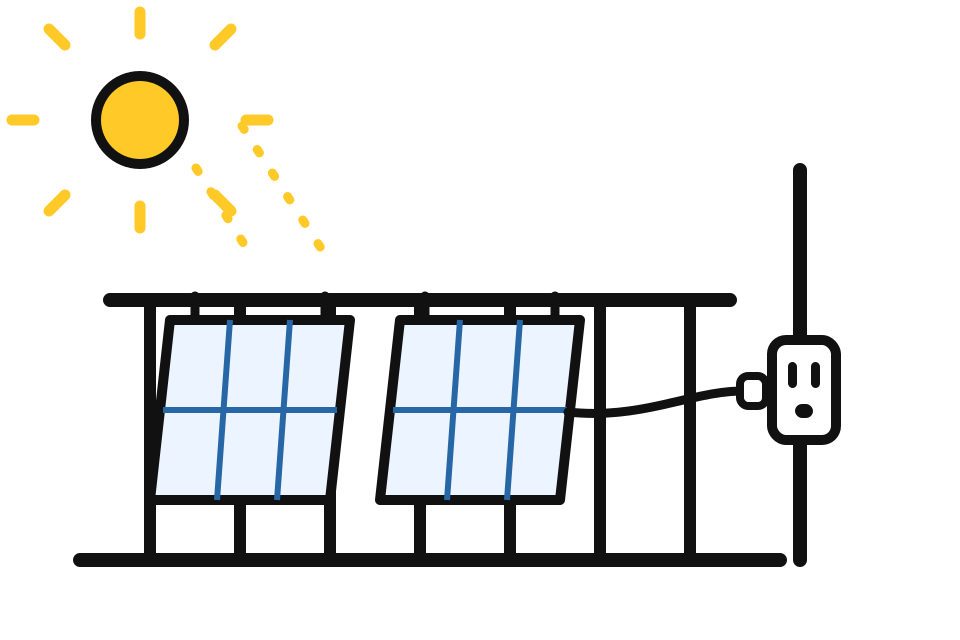
A small set of solar panels you plug in to lower part of your electric bill. It's not rooftop solar, not a backup generator, and not a license to use any outlet.
Start here📣 California's Plug and Play Solar Act passed the Legislature and awaits the governor.
Read the update →Your guide to U.S. plug-in solar
Balcony and plug-in solar can lower your electric bill even if you rent or can’t put panels on a roof. We’ll show you exactly how it works, what it saves, whether it’s allowed where you live, and how to buy a safe kit — in plain English, backed by sources.
 Solar panelTurns sunlight into electricity
 InverterConverts it for your home
 PlugSends power into your home
 Your homeUses it first, buys less
Where do you want to start?
Start-to-finish guide
Five short steps: what plug-in solar is, how it works, what it can save, whether it’s allowed where you live, and how to buy a safe kit.
A small set of solar panels you plug in to lower part of your electric bill. It's not rooftop solar, not a backup generator, and not a license to use any outlet.
Start here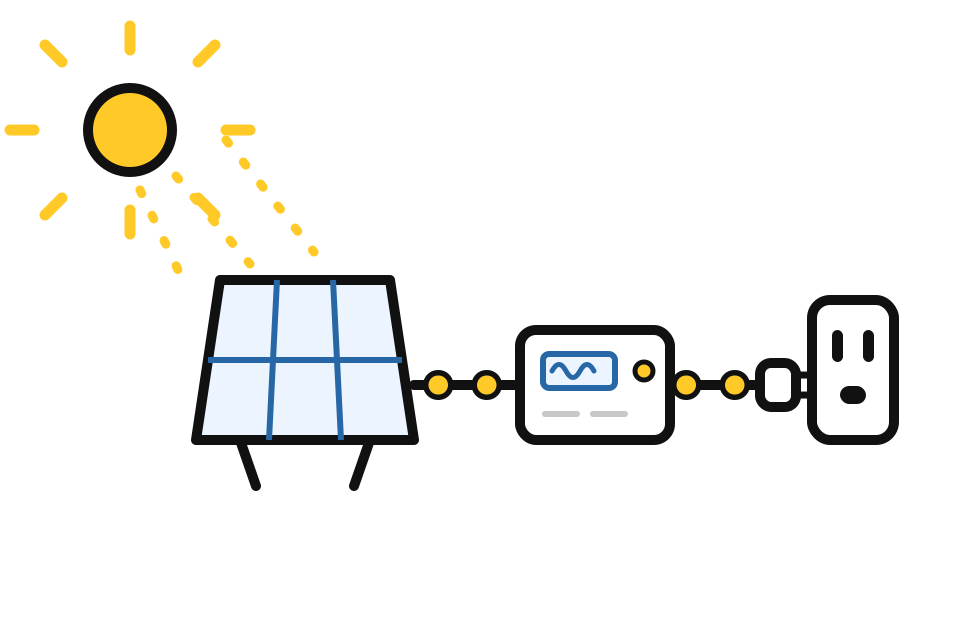
The panels make electricity, a small box called an inverter converts it into the kind your outlets use, and your home draws less from the grid while the sun is out.
See how it works
A typical kit saves roughly $100 to $250 a year. The exact number depends on your electricity price, your sun, and how much power you use during the day.
Estimate your savings
Eight states have enacted dedicated laws, some with future or phased start dates. Other proposals are pending, awaiting governors, or no longer advancing, so check your state first.
Check your state
Only shortlist a kit after four things line up: your state's rules, a certified complete system, a safe sunny spot to mount it, and numbers that work for your bill.
Read the buyer's guideState tracker
The rules change from state to state and month to month. Remember that a proposed bill isn’t a law yet, and even a signed law may not take effect until a future date. Find your state to see exactly where it stands.
Savings calculator
This calculator shows its work — no hidden assumptions. It starts with the recent U.S. average electricity price and lets you change every number, because your sun, your shade, your usage, and the kit’s cost all move the result. Treat it as a friendly estimate, not a promise.
A planning estimate, not a promise. It doesn’t check whether plug-in solar is legal where you live, whether a kit is certified, whether your outlet or mount is suitable, or whether your utility pays for surplus power.
Guides
 6 min read
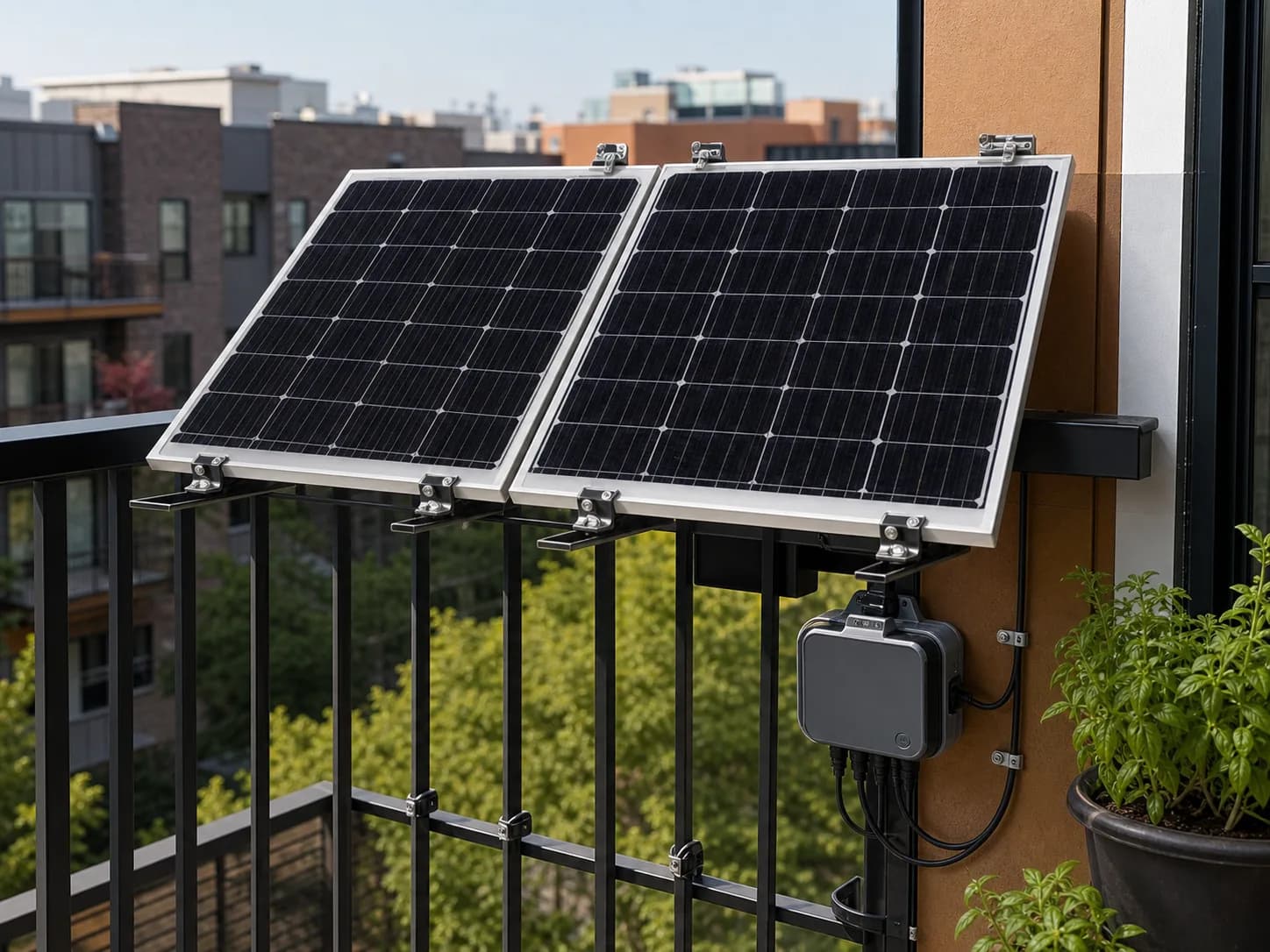
A plain-English guide to balcony and plug-in solar: what it is, what's in a kit, who it helps, and what it doesn't replace.
 6 min read
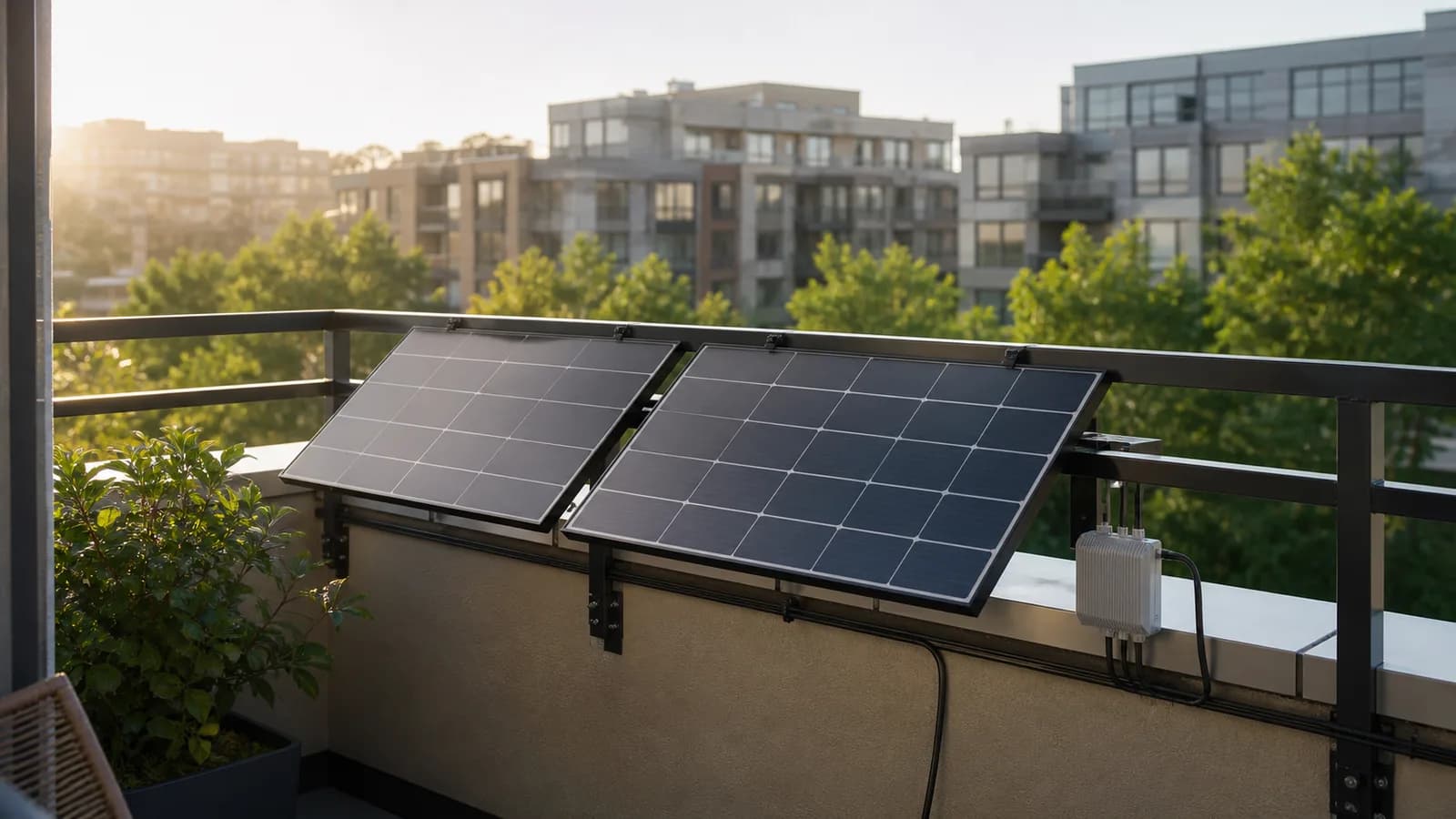
Follow the electricity from panel to plug to your home — and understand why the outlet connection is the part that needs care.
 7 min read
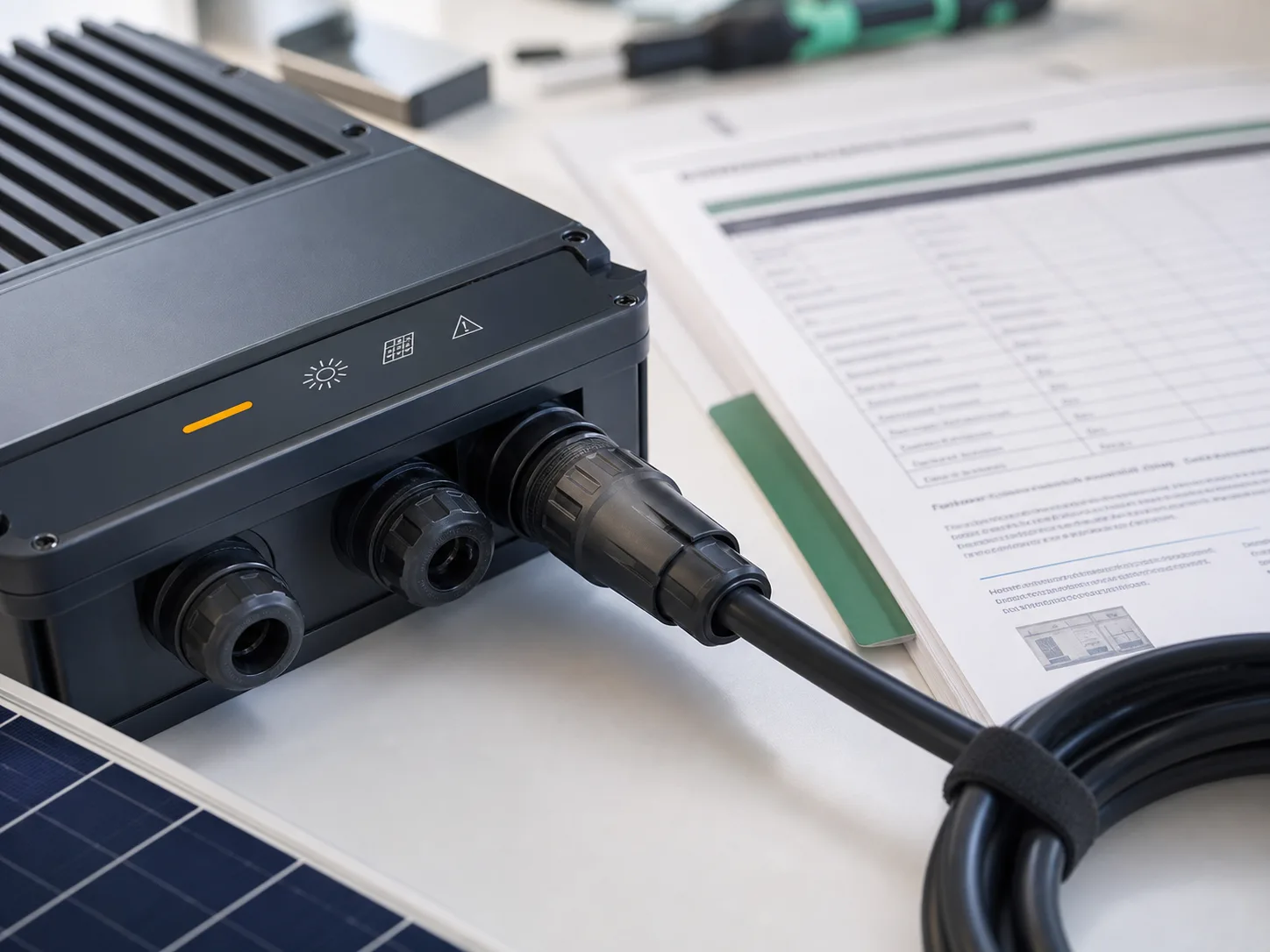
What can go wrong, what the new U.S. safety standard is meant to prevent, and the checks that separate a safe kit from a risky one.
 6 min read
What drives the savings, why estimates should be ranges, and honest example numbers for a typical kit.
How we keep this current
Plug-in solar is moving fast, so we track the developments that matter to you — and separate them from marketing noise. Here’s what we’re watching.